
ข่าวศิลปะArt News · 25 พ.ย. 256925 Nov 2026
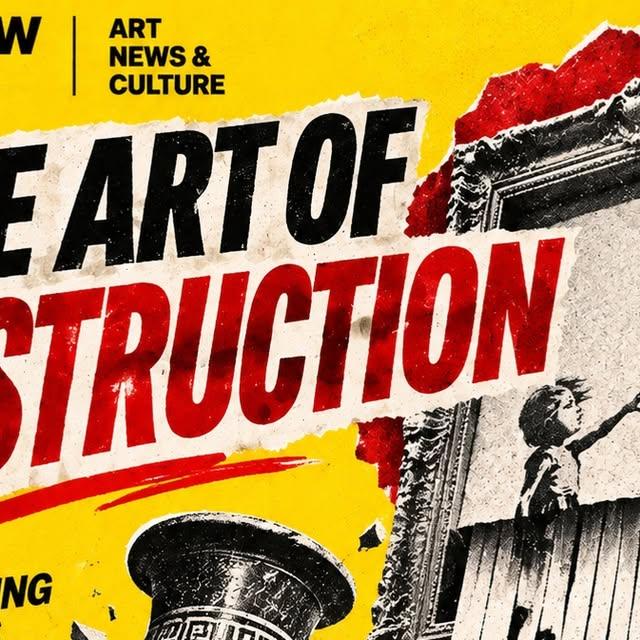
THE ART OF DESTRUCTIONTHE ART OF DESTRUCTION
ข้อความภาษาอังกฤษบนหน้านี้แปลจากโพสต์ภาษาไทย ลิงก์ที่ป้าย EN คือโพสต์อังกฤษของ Yellow Hip เองThe English on this page is translated from the Thai post. The link marked EN is Yellow Hip’s own English post.
THE ART OF DESTRUCTION
เมื่อการทำลายกลายเป็นงานศิลปะ
เราเคยถูกสอนว่าศิลปะคือการสร้างสรรค์ แต่จะเกิดอะไรขึ้นเมื่อศิลปินเลือกที่จะทำลายสิ่งที่มีอยู่ เพื่อสร้างความหมายใหม่ขึ้นมาแทน?
01 — เมื่อการทำลายกลายเป็นแนวคิดทางศิลปะ
ในปี 1959 ศิลปิน Gustav Metzger นำเสนอแนวคิด Auto-Destructive Art หรือศิลปะที่ทำลายตัวเอง
แทนที่จะสร้างผลงานให้คงอยู่ตลอดไป เขากลับสร้างงานที่สามารถเสื่อมสลายและสูญหายไปตามกระบวนการของมันเอง
02 — แจกันอายุสองพันปีกับคำถามเรื่องคุณค่า
ในปี 1995 ศิลปินชาวจีน Ai Weiwei สร้างผลงานชื่อ Dropping a Han Dynasty Urn ผ่านภาพถ่ายสามภาพที่บันทึกการปล่อยแจกันโบราณสมัยราชวงศ์ฮั่นให้ตกแตกลงบนพื้น
แต่ในอีกมุมหนึ่ง ผลงานชิ้นนี้ตั้งคำถามว่า ใครเป็นผู้กำหนดคุณค่าของวัตถุ และเหตุใดสิ่งที่ถูกสร้างขึ้นในอดีตจึงต้องมีคุณค่าเหนือสิ่งที่ถูกสร้างขึ้นในปัจจุบัน?
03 — เมื่อภาพวาดถูกทำลายกลางห้องประมูล
ในปี 2018 ผลงาน Girl with Balloon ของ Banksy ถูกประมูลที่ Sotheby's ด้วยราคาประมาณ 1.04 ล้านปอนด์
ทันทีหลังการประมูลสิ้นสุดลง กลไกที่ซ่อนอยู่ภายในกรอบภาพเริ่มทำงานและตัดภาพออกเป็นริ้วๆ ต่อหน้าผู้ร่วมประมูล
ผลงานที่ถูกทำลายบางส่วนได้รับชื่อใหม่ว่า Love is in the Bin
สามปีต่อมา ผลงานชิ้นเดียวกันกลับถูกประมูลอีกครั้งด้วยราคาประมาณ 18.6 ล้านปอนด์
การทำลายที่ดูเหมือนเป็นการท้าทายตลาดศิลปะ กลับกลายเป็นสิ่งที่เพิ่มมูลค่าให้กับผลงานอย่างมหาศาล
04 — ทำไมมนุษย์ถึงหลงใหลในการทำลาย?
การได้เห็นสิ่งที่ควรได้รับการปกป้องถูกทำลายต่อหน้าเรา สามารถสร้างความรู้สึกตกใจ เสียดาย โกรธ หรือแม้กระทั่งความสะใจ
บางครั้งสิ่งที่ศิลปินต้องการทำลายจึงไม่ใช่ตัววัตถุ แต่เป็นความเชื่อที่เรามีต่อวัตถุนั้น
05 — เส้นแบ่งระหว่างศิลปะกับการทำลายข้าวของ
แน่นอนว่าไม่ใช่ทุกการทำลายจะกลายเป็นงานศิลปะ และการอ้างเจตนาทางศิลปะก็ไม่ได้ทำให้ความเสียหายหรือความรับผิดชอบทางกฎหมายหายไป
แต่สิ่งที่น่าสนใจคือ การกระทำแบบเดียวกันอาจถูกตีความแตกต่างกันอย่างสิ้นเชิง ขึ้นอยู่กับบริบท เจตนา สถานที่ และผู้ที่เป็นเจ้าของสิ่งนั้น
ท้ายที่สุดแล้ว คำถามอาจไม่ใช่ว่าศิลปินมีสิทธิ์ทำลายอะไรบ้าง แต่คือ...
ถ้าการทำลายผลงานศิลปะหนึ่งชิ้น สามารถสร้างผลงานศิลปะอีกชิ้นขึ้นมาได้ เราควรเรียกมันว่าการสูญเสียหรือการสร้างสรรค์?
— YELLOW HIP | ART NEWS & CULTURE
#YellowHip #TheArtOfDestruction #Banksy #AiWeiwei #GustavMetzger #ศิลปะร่วมสมัย
THE ART OF DESTRUCTION
When destruction becomes the artwork.
We were taught that art is about making. What happens when an artist chooses to destroy what is already there, in order to make a new meaning instead?
01 — When destruction becomes an idea
In 1959 Gustav Metzger proposed Auto-Destructive Art: art that destroys itself.
Instead of making something meant to last, he made work that could decay and disappear by its own process.
02 — A two-thousand-year-old vase, and the question of value
In 1995 Ai Weiwei made Dropping a Han Dynasty Urn: three photographs of an ancient Han vase let fall, and break, on the floor.
The work also asks who gets to decide an object’s value, and why something made in the past should automatically outrank something made now.
03 — A painting destroyed in the saleroom
In 2018 Banksy’s Girl with Balloon sold at Sotheby’s for about £1.04 million.
The moment the hammer fell, a mechanism hidden in the frame started up and sliced the picture into strips, in front of the room.
The partly destroyed work was renamed Love is in the Bin.
Three years later the same work sold again, for about £18.6 million.
A destruction that looked like a taunt to the art market became the thing that sent the price soaring.
04 — Why do people love to watch things break?
Seeing something that ought to be protected destroyed in front of us can bring shock, regret, anger, even a guilty thrill.
Sometimes what the artist wants to destroy is not the object, but the belief we attach to it.
05 — The line between art and just smashing things
Not every act of destruction becomes art, and calling it art does not erase damage or legal responsibility.
The interesting part is that the same act can be read in completely different ways, depending on context, intent, place, and who owns the thing.
In the end the question may not be what an artist is allowed to destroy, but this:
If destroying one artwork can create another, should we call it a loss or a creation?
— YELLOW HIP | ART NEWS & CULTURE
#YellowHip #TheArtOfDestruction #Banksy #AiWeiwei #GustavMetzger